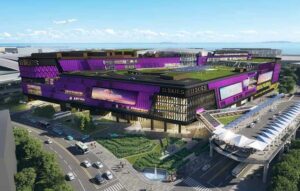
Indira Gandhi International Airport (IGI Airport) is the primary international gateway to India’s capital city, New Delhi. Known for its world-class infrastructure, modern design, and exceptional passenger services, IGI Airport has transformed over the years into one of the busiest and most advanced airports in Asia. It serves millions of passengers annually, connecting India with major global destinations across continents. Strategically located in the southwestern part of Delhi, the airport plays a vital role in the country’s aviation, tourism, and economic development.
The airport is named after Indira Gandhi, one of India’s most influential political leaders. Today, IGI Airport stands as a symbol of India’s modernization and global connectivity, offering seamless travel experiences to both domestic and international travelers.
Historical Background and Development of IGI Airport
The history of Indira Gandhi International Airport dates back to the pre-independence era, when aviation infrastructure in India was still in its infancy. Initially known as Palam Airport, it served as a military airbase before being converted into a civilian airport. Over time, with the rapid growth of air travel in India, the need for expansion and modernization became inevitable.
In the early 2000s, the Government of India initiated a major transformation project to upgrade the airport into a global aviation hub. The responsibility for modernization was handed over to Delhi International Airport Limited (DIAL), a consortium led by GMR Group. Under their management, IGI Airport underwent massive redevelopment, including the construction of new terminals, runways, and world-class passenger facilities.
The launch of Terminal 3 in 2010 marked a turning point in the airport’s history, coinciding with the Commonwealth Games 2010. This upgrade positioned IGI Airport among the elite airports globally, capable of handling large passenger volumes efficiently.
Terminals at Indira Gandhi International Airport
Terminal 1 (Domestic Travel Hub)
Terminal 1 is primarily dedicated to low-cost domestic airlines. It has been modernized to accommodate increasing passenger traffic and offers essential facilities such as check-in counters, baggage handling systems, food courts, and retail outlets.
Terminal 2 (Temporary Domestic Operations)
Terminal 2 was reintroduced to manage overflow traffic and support domestic flights during renovations and expansions. Despite being smaller than Terminal 3, it provides comfortable amenities and efficient services.
Terminal 3 (International and Premium Domestic Terminal)
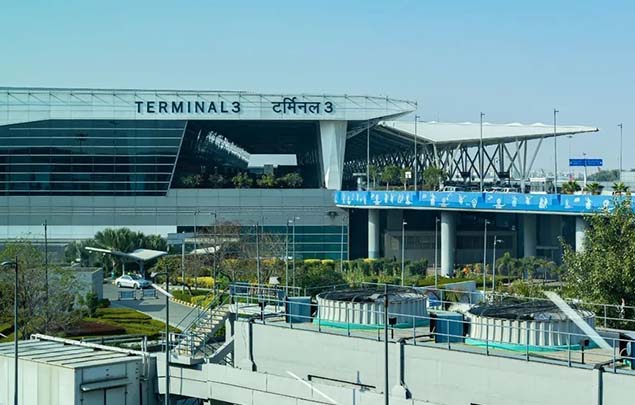
Terminal 3 is the crown jewel of Indira Gandhi International Airport. It handles both international flights and full-service domestic carriers. With its vast space, modern architecture, and advanced technology, it is one of the largest airport terminals in the world.
The terminal features self-check-in kiosks, automated baggage systems, immigration counters, duty-free shopping areas, lounges, and premium passenger services. Its iconic “mudra wall,” displaying traditional Indian hand gestures, reflects the country’s rich cultural heritage.
World-Class Infrastructure and Facilities
Indira Gandhi International Airport is known for its cutting-edge infrastructure designed to enhance passenger experience. The airport has multiple runways, including one of the longest in Asia, allowing it to handle large aircraft such as the Airbus A380.
Passengers can enjoy a wide range of facilities, including:
- Free Wi-Fi services across terminals
- Luxury lounges and waiting areas
- Medical and emergency services
- Currency exchange and banking facilities
- Business centers and conference rooms
- Child care rooms and special assistance services
The airport also emphasizes accessibility, offering dedicated services for elderly passengers and those with reduced mobility.
Connectivity and Transportation Options
One of the key strengths of Indira Gandhi International Airport is its excellent connectivity to the rest of Delhi and surrounding regions.
Delhi Metro Connectivity
The airport is connected to the city via the Delhi Metro Airport Express Line, providing a fast and convenient mode of transport to central Delhi, including New Delhi Railway Station.
Road Transport
Passengers can access the airport through well-maintained highways and roads. Taxi services, app-based cab services, and airport shuttle buses are readily available.
Rail and Bus Services
In addition to metro connectivity, nearby railway stations and interstate bus terminals provide further accessibility to travelers coming from different parts of the country.
Airlines and Global Connectivity
Indira Gandhi International Airport serves as a hub for several major airlines, including Air India and IndiGo. It connects Delhi to major cities across North America, Europe, Asia, the Middle East, and Australia.
International carriers such as Emirates, British Airways, Lufthansa, and Singapore Airlines operate regular flights from IGI Airport, making it a critical hub for global travel. The airport’s strategic location makes it a preferred transit point for passengers traveling between East and West.
Shopping, Dining, and Duty-Free Experience
The airport offers a luxurious shopping and dining experience, especially in Terminal 3. Travelers can explore a wide range of retail outlets featuring international brands, electronics, fashion, perfumes, and souvenirs.
Duty-free stores provide tax-free shopping on premium products, making it a favorite among international travelers. Dining options range from fast food chains to fine dining restaurants offering Indian and global cuisines.
Passengers can enjoy authentic Indian dishes or opt for international flavors, ensuring a delightful culinary experience during transit or waiting periods.
Sustainability and Environmental Initiatives
Indira Gandhi International Airport has gained recognition for its commitment to sustainability and eco-friendly practices. It is one of the few airports in the world to achieve carbon-neutral status.
The airport has implemented various green initiatives, including:
- Solar power generation
- Rainwater harvesting systems
- Waste management and recycling programs
- Energy-efficient lighting and infrastructure
These efforts align with global environmental standards and demonstrate the airport’s commitment to sustainable development.
Awards and Global Recognition
Over the years, Indira Gandhi International Airport has received numerous awards for excellence in airport management, customer satisfaction, and infrastructure.
It has consistently ranked among the top airports globally in passenger surveys conducted by organizations like Airports Council International. Its focus on innovation, cleanliness, and passenger comfort has earned it international acclaim.
Passenger Experience and Services
Passenger satisfaction is a top priority at Indira Gandhi International Airport. The airport offers a seamless travel experience with efficient check-in processes, security checks, and baggage handling systems.
Special services include:
- Meet and assist services
- VIP lounges and premium services
- Fast-track immigration
- Assistance for differently-abled passengers
The airport staff is trained to provide courteous and professional service, ensuring a pleasant journey for travelers.
Future Expansion and Development Plans
With increasing passenger traffic, Indira Gandhi International Airport continues to expand its infrastructure. Plans include the development of new terminals, expansion of existing facilities, and enhancement of runway capacity.
The airport aims to become one of the largest aviation hubs in the world, capable of handling over 100 million passengers annually. Future projects also focus on improving technology integration, automation, and sustainability.
Importance of IGI Airport in India’s Economy
Indira Gandhi International Airport plays a crucial role in India’s economic growth. It facilitates trade, tourism, and business travel, contributing significantly to the country’s GDP.
The airport generates employment opportunities across various sectors, including aviation, hospitality, logistics, and retail. Its development has also boosted infrastructure growth in surrounding areas.